

CAMEROON
Due to its cultural, linguistic, and geographic diversity, the Central African country of Cameroon is known as “Africa in miniature.” While infectious diseases remain the primary drivers of illness and death in Cameroon, the number of deaths due to cancer has doubled in the last two decades. Cancers of the breast, cervix, prostate, and non-Hodgkin lymphomas are the main malignancies in Cameroon, representing 52% of all new cancers in 2020.
Stats at a Glance
27.1m
People in Cameroon
21,000
Approximate new cancer cases in a year
13,200
Approximate cancer deaths in a year
In 2020, Cameroon’s Ministry of Public Health published its five-year National Strategic Plan for Prevention and Cancer Control, which outlines the government’s approach to reducing morbidity and mortality due to cancer by 10%. The country intends to achieve this goal by intensifying information and health education programs, introducing hepatitis B virus and human papillomavirus vaccines nationwide, increasing screening and early diagnosis of cancers, upgrading existing treatment centers, establishing a National Cancer Institute to develop human resources and research in cancer, and improve psychosocial support and palliative care.
At the direction of the Ministry of Public Health, Cameroon joined the African Access Initiative (AAI) in June 2017. Since then, seven public and private hospitals located in the Central, Littoral, North, Northwest, and Southwest regions of Cameroon have joined AAI.
AAI In Cameroon

Cameroon Oncology Center Meets Weekly to Ensure Safe and Effective Use of Chemotherapy
The Cameroon Oncology Center (COC) is a not-for-profit private cancer center serving patients from across Cameroon. Since it was established in 2019, COC has delivered systemic therapy to more than 2,000 cancer patients. Following an AAI oncology pharmacy workshop – organized by BVGH and hosted at COC – that focused on standard operating procedure development,…
Keep reading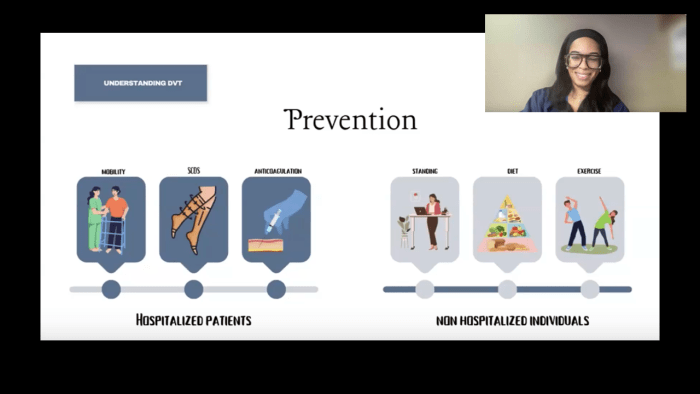
Strengthening Frontline Care: Oncology Emergency Training in Nigeria and Cameroon
Ms. Asha Ewrse (MSK) delivers lecture on Deep Vein Thrombosis and Pulmonary Embolism Oncologic emergencies like sepsis, tumor hemorrhage, and anemic heart failure are life-threatening conditions that demand urgent, skilled care. In many settings in Africa, these diseases are made even more difficult to manage due to limited resources and a lack of intensive care…
Keep reading
Global Collaboration Yields New Cervical Cancer Screening Services in Cameroon
Screening and early detection of cancers are essential to reducing cancer mortality globally. These services are particularly important for cervical cancer, which can be prevented by the detection and treatment of pre-cancerous cervical lesions. Responding to the high rates of cervical cancer in Cameroon, the Cameroon Oncology Center (COC) purchased a colposcope to examine women…
Keep reading
Cameroon ICU Nursing Team Engages in Virtual Mentorship
From left to right: Ms. Becca deDufour (BSN, RN, CCRN, Memorial Sloan Kettering Cancer Center), Nurse Grace NTIMEU KEPNDEP (Lead ICU Nurse, Mbingo Baptist Hospital), Dr. David Sunday (Lead ICU Physician, Mbingo Baptist Hospital), Ms. Joanna Tomicich (DNP, NP-C, AGACNP-BC, FCCM, Memorial Sloan Kettering Cancer Center) Recognizing that the Intensive Care Unit (ICU) nursing team…
Keep reading
Clinical trial training program addresses cancer data gap in Africa and enables new research ventures for African clinicians
Africa has historically been overlooked by the international oncology research community, resulting in the continent’s participation in less than 2% of all cancer clinical trials. Africa’s underrepresentation in cancer clinical trials has culminated in an alarming lack of data describing the effects of new cancer technologies and treatments in the world’s most genetically diverse population.…
Keep reading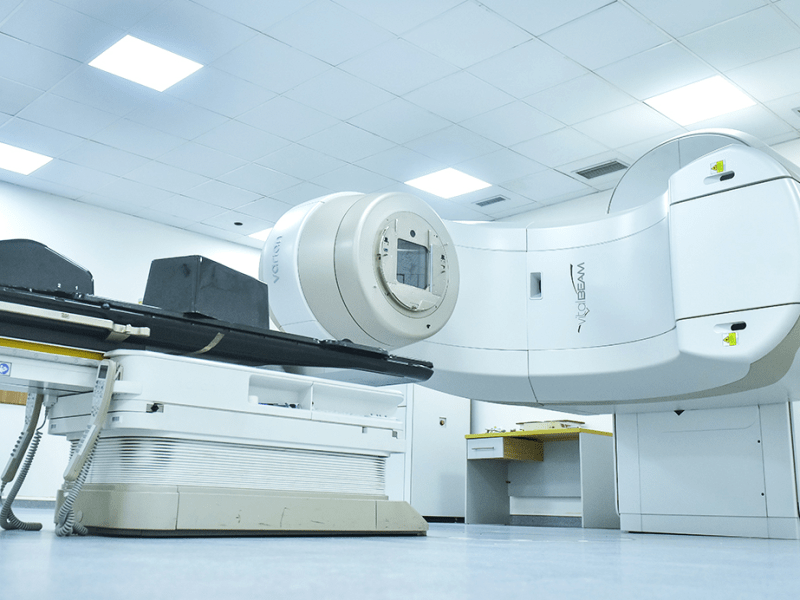
Virtual training series prepares radiation specialists to use advanced radiotherapy technique
While developments in radiotherapy have created safer, more targeted treatment options for cancer patients worldwide, many hospitals in sub-Saharan Africa lack the training, capacity, and infrastructure to implement them. Without access to the most cutting-edge treatment techniques, Africa’s cancer patients will not achieve the high survival rates seen in other regions of the world. In…
Keep readingSomething went wrong. Please refresh the page and/or try again.
Our Hospital Partners
- Buea Regional Hospital
- Bonassama District Hospital
- Cameroon Oncology Center
- Douala General Hospital
- Douala Gynaeco-Obstetric and Pediatric Hospital (HGOPED)
- Mbingo Baptist Hospital
Data on this page sourced from:
Cameroon population: VizHub – GBD Results (healthdata.org)
Cancer cases and cancer deaths per year: World Development Indicators | DataBank (worldbank.org)
Cancer occurrences by type: 120-cameroon-fact-sheets.pdf (iarc.fr)
Cancer control plan: FINAL COPY OF PSNPLCa ENGLISH.pdf (iccp-portal.org)