
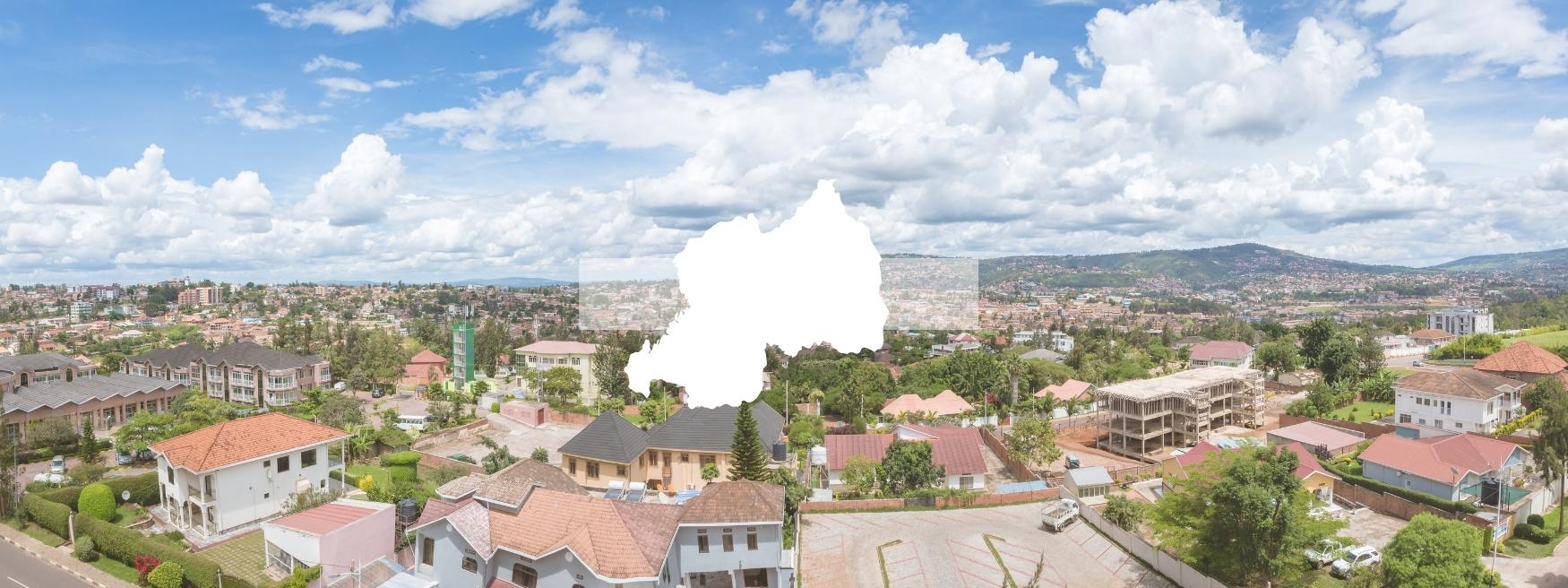
RWANDA
Nestled within Africa’s Great Rift Valley, the East African country of Rwanda is one of the fastest growing economies in the region. Cancer is the third leading cause of death in Rwanda, behind cardiovascular diseases and respiratory infections. Breast, cervical, prostate, stomach, and liver cancers comprised 52% of all new cancer cases in 2020.
Stats at a Glance
13.4m
People in Rwanda
8,800
Approximate new cancer cases in a year
6,000
Approximate cancer deaths in a year
On World Cancer Day 2020, Rwanda’s government demonstrated its commitment to improving cancer care and outcomes in the country by launching its first five-year National Cancer Control Plan. As described in its plan, Rwanda aims to reduce the incidence of preventable cancers, improve the rate of early detection of cancers, improve cancer patients’ access to quality diagnostic and treatment services, provide access to quality pain management and palliative care, strengthen cancer information systems and research, and improve cancer control capacities and resources.
At the direction of the country’s First Lady, Rwanda joined the African Access Initiative (AAI) in November 2017. Rwanda’s five tertiary hospitals – Butaro Cancer Center of Excellence, the University Teaching Hospital of Butaré, the University Teaching Hospital of Kigali, King Faisal Hospital, and the Rwanda Military Hospital – were selected by the Rwandan Ministry of Health to participate in AAI.
AAI In Rwanda
Bolstering Early Cancer Detection in Rwanda
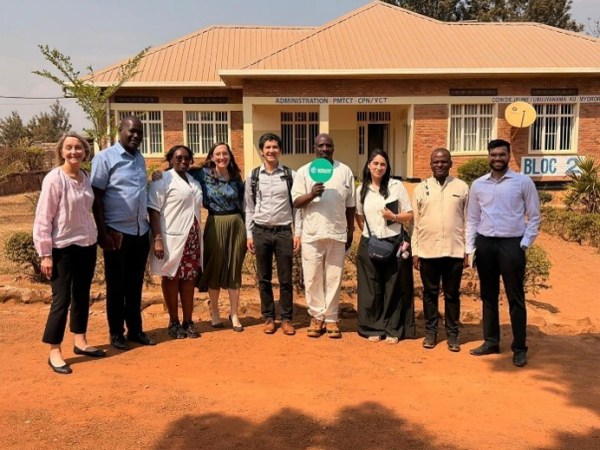
In continuation of BVGH’s collaboration with the Rwanda Biomedical Centre (RBC) to enhance cancer early detection efforts, BVGH partnered with Merck & Co., Inc. (known as MSD outside of the United States) to build healthcare capacity in Rwanda. We are excited to present three MSD Richard. T Clark (RTC) Fellows for Global Health: Sara Figueiredo,…
Keep reading
BVGH, ASCO, and RCR Team Up to Enhance Prostate Cancer Management in Rwanda
Prostate cancer management workshop attendees with visiting ASCO lecturers Prostate cancer is the most common cancer among men in Rwanda and is a leading cause of cancer mortality in the country. Despite its annual cancer incidence of 7,122, there are fewer than 70 oncology healthcare professionals practicing in Rwanda. To optimize interdisciplinary communication and maximize…
Keep reading
Improving the Quality of Cervical Cancer Screening Services in Rwanda
In 2021, BVGH and the Rwanda Biomedical Center (RBC) implemented a cervical and breast cancer Educate, Screen, and Treat (EST) program that screened more than 7,000 women for cervical cancer, offered clinical breast exams, and integrated cervical cancer screening into the routine services offered by health facilities in Rwanda’s Bugesera District. During the EST program,…
Keep reading
Global Pathology Partnership Launches Telepathology in Rwanda
With the right infrastructure in place, telepathology services can promote the education and cooperation of pathologists across the globe – resulting in enhanced cancer diagnosis and care. The implementation of telepathology relies on the local availability of instruments that can capture high-resolution digital images of pathology slides. These instruments are often costly, which limits the…
Keep reading
Cervical cancer program builds clinical capacity in southern district of Rwanda
Cervical cancer can be eliminated through vaccination, screening, and early treatment, yet it is still the most common cause of cancer deaths among women in sub-Saharan Africa. In an effort to combat the devastating effects of this disease, the First Lady of Rwanda, Madam Jeanette Kagame, tasked BVGH and the Rwandan Biomedical Center (RBC) with…
Keep reading
Clinical trial training program addresses cancer data gap in Africa and enables new research ventures for African clinicians
Africa has historically been overlooked by the international oncology research community, resulting in the continent’s participation in less than 2% of all cancer clinical trials. Africa’s underrepresentation in cancer clinical trials has culminated in an alarming lack of data describing the effects of new cancer technologies and treatments in the world’s most genetically diverse population.…
Keep readingSomething went wrong. Please refresh the page and/or try again.
Our Hospital Partners
- University of Rwanda
- University Teaching Hospital of Kigali (CHUK)
- King Faisal Hospital (KFH)
- University Teaching Hospital of Butare (CHUB)
Data on this page sourced from:
Rwanda population: VizHub – GBD Results (healthdata.org)
Cancer cases and cancer deaths per year: World Development Indicators | DataBank (worldbank.org)
Cancer occurrences by type: 646-rwanda-fact-sheets.pdf (iarc.fr)