
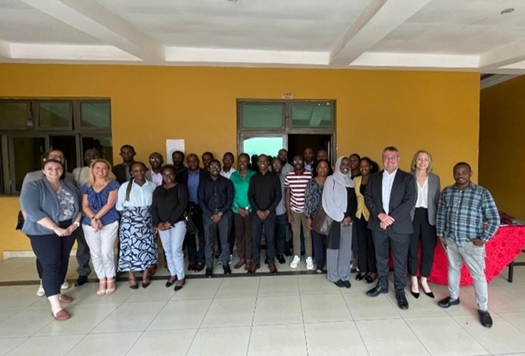
Prostate cancer management workshop attendees with visiting ASCO lecturers Prostate cancer is the most common cancer among men in Rwanda and is a leading cause of cancer mortality in the country. Despite its annual cancer incidence of 7,122, there are fewer than 70 oncology healthcare professionals practicing in Rwanda. To optimize interdisciplinary communication and maximizeContinue reading “BVGH, ASCO, and RCR Team Up to Enhance Prostate Cancer Management in Rwanda”
Category Archives: Rwanda
Improving the Quality of Cervical Cancer Screening Services in Rwanda

In 2021, BVGH and the Rwanda Biomedical Center (RBC) implemented a cervical and breast cancer Educate, Screen, and Treat (EST) program that screened more than 7,000 women for cervical cancer, offered clinical breast exams, and integrated cervical cancer screening into the routine services offered by health facilities in Rwanda’s Bugesera District. During the EST program,Continue reading “Improving the Quality of Cervical Cancer Screening Services in Rwanda”
Global Pathology Partnership Launches Telepathology in Rwanda

With the right infrastructure in place, telepathology services can promote the education and cooperation of pathologists across the globe – resulting in enhanced cancer diagnosis and care. The implementation of telepathology relies on the local availability of instruments that can capture high-resolution digital images of pathology slides. These instruments are often costly, which limits theContinue reading “Global Pathology Partnership Launches Telepathology in Rwanda”
Cervical cancer program builds clinical capacity in southern district of Rwanda

Cervical cancer can be eliminated through vaccination, screening, and early treatment, yet it is still the most common cause of cancer deaths among women in sub-Saharan Africa. In an effort to combat the devastating effects of this disease, the First Lady of Rwanda, Madam Jeanette Kagame, tasked BVGH and the Rwandan Biomedical Center (RBC) withContinue reading “Cervical cancer program builds clinical capacity in southern district of Rwanda”
Clinical trial training program addresses cancer data gap in Africa and enables new research ventures for African clinicians

Africa has historically been overlooked by the international oncology research community, resulting in the continent’s participation in less than 2% of all cancer clinical trials. Africa’s underrepresentation in cancer clinical trials has culminated in an alarming lack of data describing the effects of new cancer technologies and treatments in the world’s most genetically diverse population.Continue reading “Clinical trial training program addresses cancer data gap in Africa and enables new research ventures for African clinicians”
Pathologists launch new diagnostic services for cancer patients in southern Rwanda

Opened in 1928, the University Teaching Hospital of Butaré (CHUB) in the Southern Province of Rwanda is one of five major medical facilities in the country that diagnoses cancer. While CHUB can perform basic histology and cytology procedures to diagnose cancers, it has been unable to afford the reagents needed to perform immunohistochemistry (IHC) staining.Continue reading “Pathologists launch new diagnostic services for cancer patients in southern Rwanda”
Digital training program and two-year fellowship address gynecologic cancer care needs in Rwanda

Gynecologic cancers are the most common malignancies in Rwanda – and the deadliest. Over 1,300 Rwandan women develop cervical cancer each year, with 71% of those women dying from the disease. Yet like many low- and middle-income countries, Rwanda does not have subspecialized gynecologic-oncologists in-country. Instead the burden of care for cervical, uterine, and breastContinue reading “Digital training program and two-year fellowship address gynecologic cancer care needs in Rwanda”
Pathology laboratory in Rwanda expands diagnostic capacity to receive accreditation
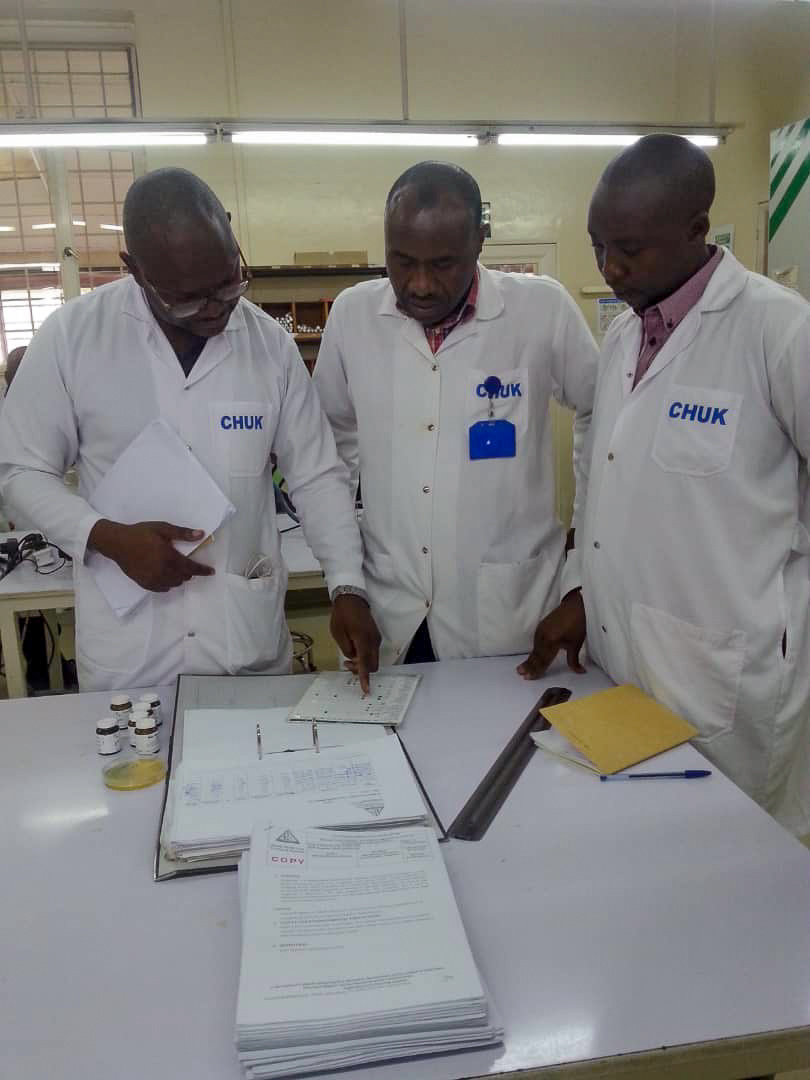
Deaths due to cancer in Rwanda have doubled since 1990. With 50-fold fewer pathologists per capita than the USA, Rwanda lacks a pathology workforce needed to produce consistent and timely diagnoses for cancer patients. Given that late or inaccurate cancer diagnoses are a reliable predictor of adverse outcomes, strengthening diagnostic capacity will be crucial toContinue reading “Pathology laboratory in Rwanda expands diagnostic capacity to receive accreditation”